
Islamic Senior Home Care Articles
The Guide to Taking Care of Old Parents in Islam
Dec 3, 2025
Read more
Discover how culturally sensitive home care keeps Muslim traditions alive while preventing caregiver burnout, benefiting seniors and their families.
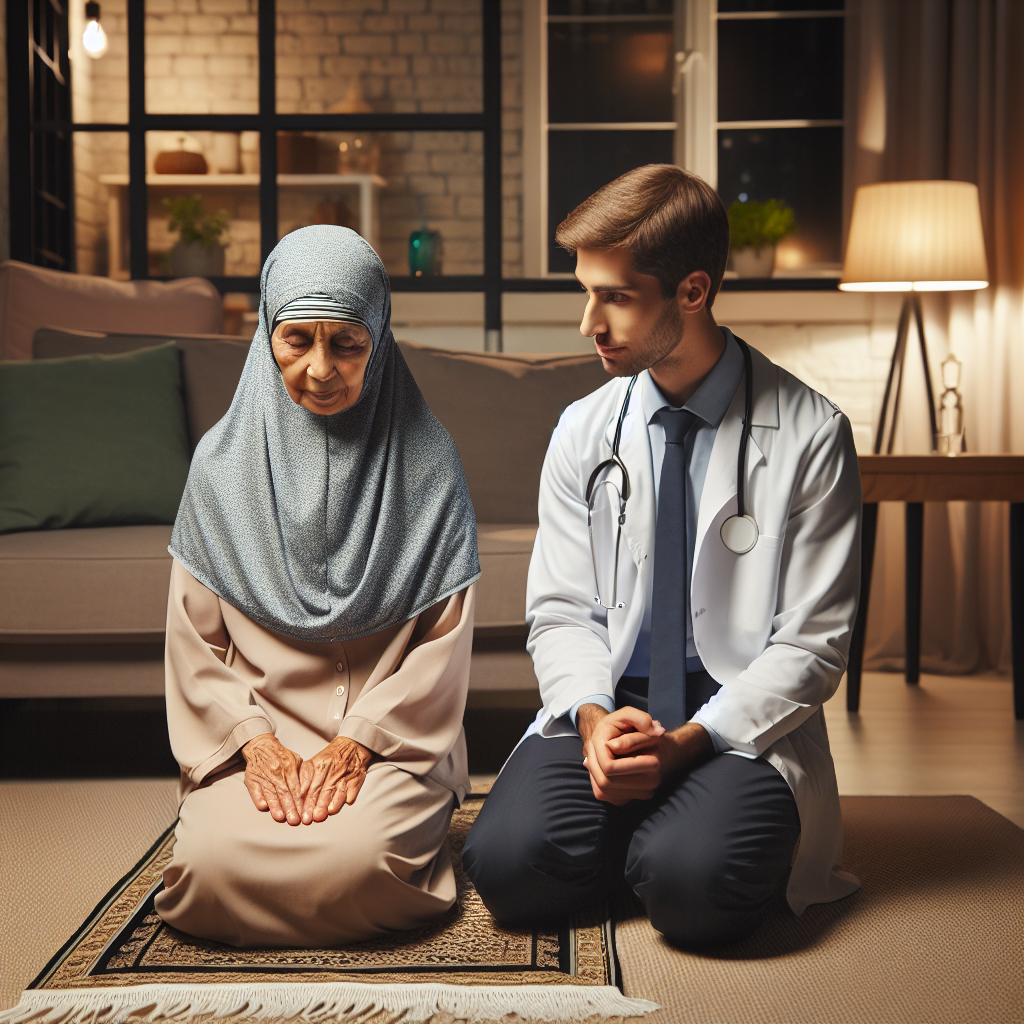
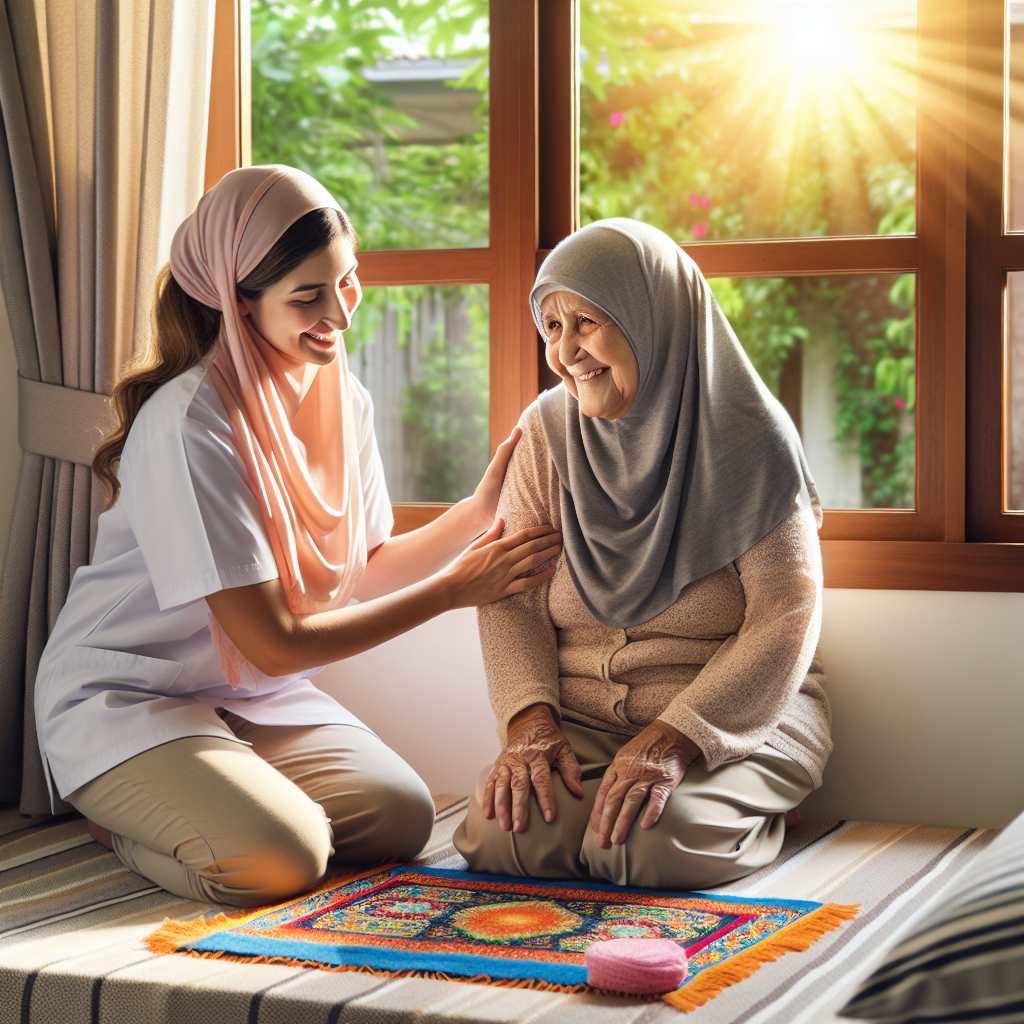
As the sun dipped below the horizon, casting a warm glow across her living room, Amina carefully rolled out her prayer mat. Her caregiver, Fatima, respectfully stepped aside, giving Amina space and privacy to engage in her evening prayer. This delicate balance of cultural respect and attentive care is not just a routine but an essential part of life for Amina, a cherished member of her community.
For many Muslim seniors, receiving home care that respects their religious practices and cultural norms is vital. Yet, providing such care requires understanding and empathy from caregivers. It not only meets their physical needs but nourishes their spiritual well-being.
Caring for senior family members while ensuring adherence to religious and cultural practices can be challenging.
While attending to seniors' needs, caregivers often forget to care for themselves. Here's how culturally sensitive care can prevent burnout:
Integrating cultural practices into caregiving routines has numerous benefits.
Families and caregivers can help create a culturally sensitive environment with the following tips:
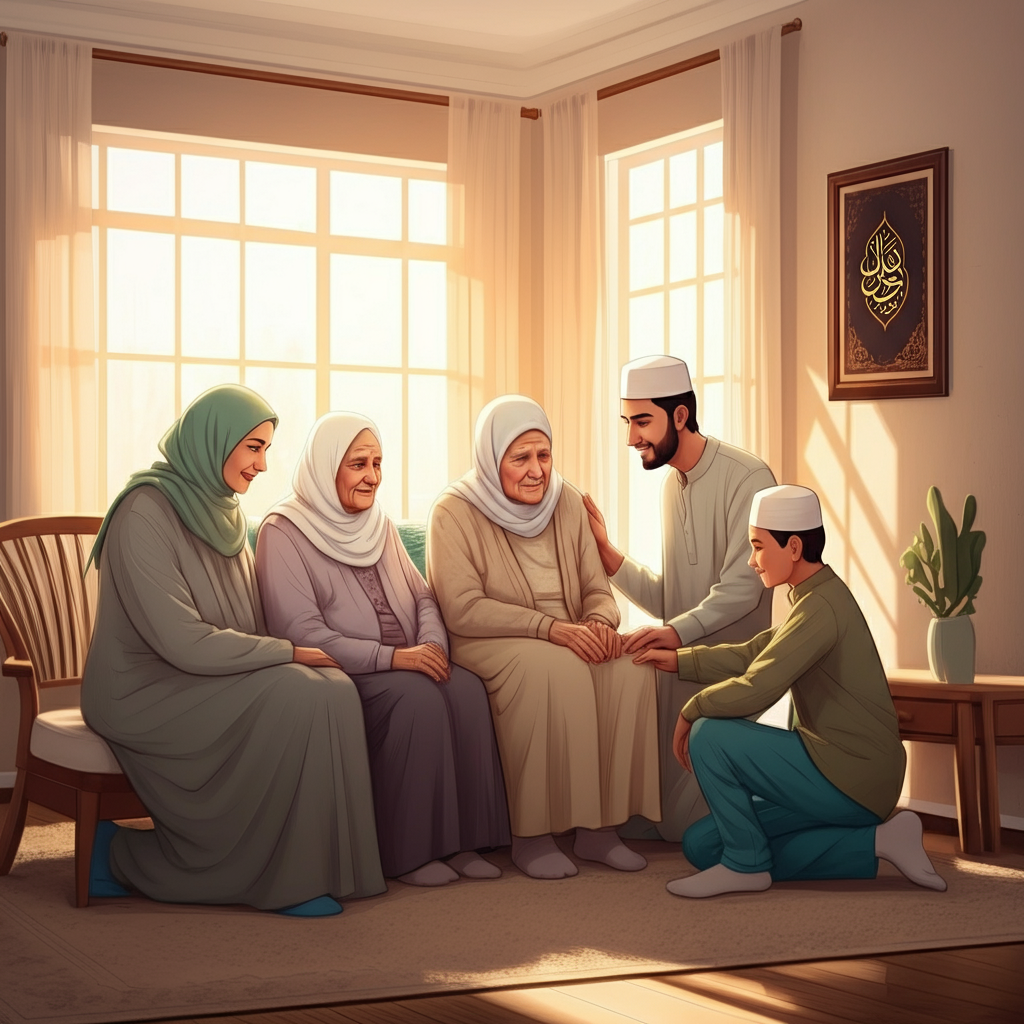
By taking these steps, both seniors and caregivers can enjoy a harmonious and respectful home environment. Through this shared understanding, the bonds between generations and caregivers strengthen, crafting a community built on faith and compassion.
In closing, culturally sensitive home care is not just about meeting physical needs. It’s about lifting the spirit, nurturing faith, and creating a home where seniors feel valued and respected. As we continue to provide care that honors these values, we enrich the lives of our elders and ourselves—one day at a time.